

Korean Barbecue, or K-BBQ, has transcended its origins to become a global culinary phenomenon. It is more than just a meal; it is an interactive theater of flavor, a social ritual, and a masterclass in balancing textures and tastes. From the smoky aroma of marinated meats hitting a charcoal grill to the colorful array of side dishes known as banchan, Korean BBQ offers a sensory experience that few other cuisines can match.
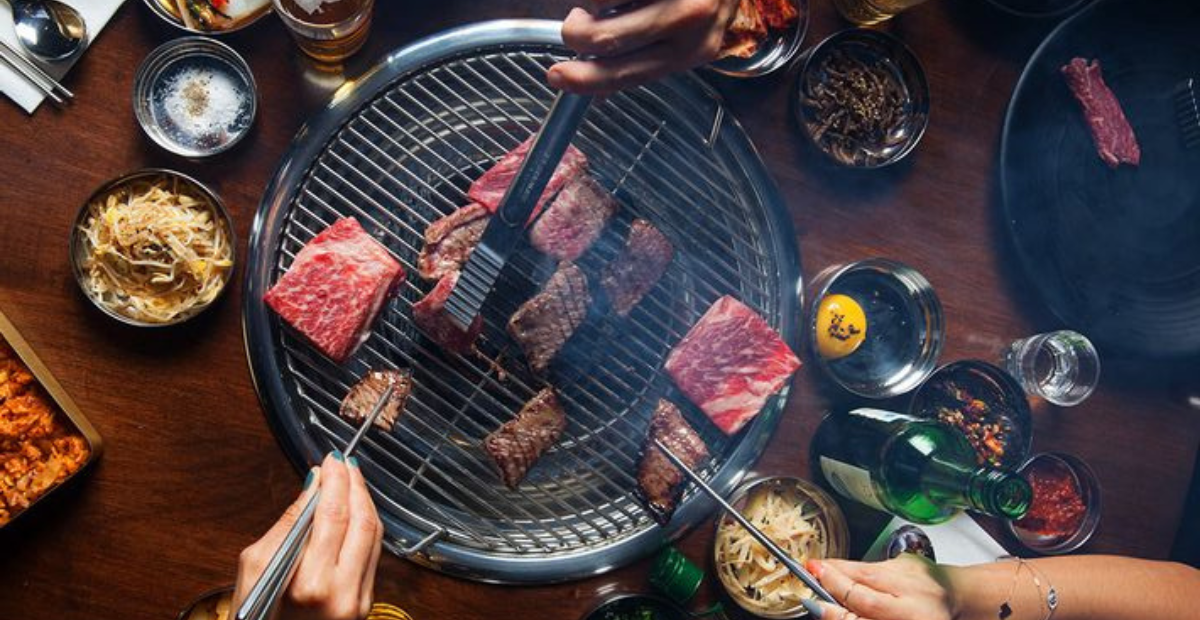
For the uninitiated, walking into a Korean BBQ restaurant can be slightly overwhelming. The tabletop grills, the flurry of small plates, and the specific etiquette can feel like a complex dance. This article explores the history, the essential components, and the secrets to enjoying Korean BBQ like a local.
The Cultural Roots of the Grill
While grilling meat is a universal human practice, the specific evolution of Korean BBQ is deeply tied to the country’s history. Traditionally, meat was a luxury in Korea. Historical records suggest that the practice of marinating and grilling beef, known as Maekjeok, dates back to the Goguryeo era. Over centuries, this evolved into the sophisticated royal court cuisine of the Joseon Dynasty.
However, the modern iteration of K-BBQ—the communal tabletop grill—gained massive popularity in the mid-20th century. As Korea urbanized, these restaurants became the go-to hubs for “hoe-sik” (company dinners) and family celebrations. The grill serves as a literal and metaphorical center point, bringing people together to cook, eat, and converse in a shared space.
The Stars of the Show: Essential Meats
When you look at a K-BBQ menu, the options can be extensive. Understanding the cuts is the first step to a successful meal.
Bulgogi (Marinated Beef)
Perhaps the most famous Korean meat dish, Bulgogi consists of thinly sliced ribeye or other prime cuts. It is marinated in a mixture of soy sauce, sugar, sesame oil, garlic, and often pear or apple juice. The fruit enzymes act as a natural tenderizer, resulting in meat that is sweet, savory, and incredibly soft.
Galbi (Short Ribs)
Galbi refers to beef short ribs, usually “flanken-cut” across the bone. These are typically marinated in a similar fashion to Bulgogi but offer a richer, more succulent flavor due to the higher fat content and the presence of the bone.
Samgyeopsal (Pork Belly)
For many Koreans, Samgyeopsal is the true king of the grill. These are thick, unmarinated slices of pork belly. Because the meat isn’t marinated, the quality of the pork is paramount. It is grilled until the fat renders out and the edges become golden and crispy, then dipped in a simple mixture of salt and sesame oil.
The Supporting Cast: Banchan and Ssam
A Korean BBQ table is never complete without its vibrant supporting cast. In fact, a restaurant is often judged more by its side dishes than its meat.
The Power of Banchan
Banchan are small side dishes served at the beginning of the meal. They are meant to be eaten throughout the dinner to cleanse the palate. Common varieties include:
- Kimchi: Fermented cabbage with chili and garlic—the backbone of Korean cuisine.
- Kongnamul Muchim: Seasoned soybean sprouts.
- Gamja Salad: A creamy, slightly sweet potato salad.
- Odeng Bokkeum: Stir-fried fish cakes.
The Art of the Ssam (The Wrap)
The most authentic way to eat K-BBQ is by making a “ssam.” You take a leaf of red leaf lettuce or a perilla leaf, place a piece of grilled meat in the center, add a dab of Ssamjang (a thick, spicy paste made of fermented soybeans and chili), and perhaps a slice of raw garlic or a piece of kimchi. The goal is to create a single-bite parcel that explodes with flavor.
The Etiquette of the Table
To eat K-BBQ like a professional, there are a few unspoken rules to follow. First, communal spirit is key. Unlike Western dining where everyone orders their own plate, K-BBQ is shared.
Secondly, the “one-bite rule” for ssam is highly respected. Trying to bite a lettuce wrap in half usually results in a messy disaster; it is designed to be eaten in one go to ensure all flavors hit the tongue simultaneously.
Lastly, pay attention to the grill. Many high-end places will have servers cook for you, but in many traditional spots, it is a DIY affair. Use the provided tongs to flip the meat frequently, and don’t be afraid to ask for a “pan change” if the grill becomes too charred.
Why It Works: The Science of Flavor
The reason Korean BBQ is so addictive lies in the “Umami” factor. The combination of fermented soy (in the marinades and ssamjang), the caramelization of sugars on the hot grill (the Maillard reaction), and the acidity of the fermented kimchi creates a perfect biological harmony. The heavy, fatty notes of the meat are constantly cut by the sharp, spicy, and sour notes of the vegetables, preventing “palate fatigue” and allowing you to eat more than you thought possible.
Conclusion
Korean BBQ is far more than just a method of cooking meat; it is a celebration of community and a sophisticated balance of culinary elements. It encourages diners to be part of the process, turning a simple meal into a memorable event. Whether you are a fan of the sweet, tender Bulgogi or the crispy, fatty Samgyeopsal, the ritual of the grill offers a window into the heart of Korean culture.
Would you like me to help you find the best types of dipping sauces to pair with different meats, or perhaps explain the best beverages to accompany a K-BBQ feast?