

The air grows crisp, the lights begin to twinkle on every street corner, and a familiar, comforting aroma starts to waft from kitchens around the world. It is the scent of cinnamon, ginger, vanilla, and browned butter. Christmas is many things to many people, but from a culinary perspective, it is undoubtedly the season of the cookie.
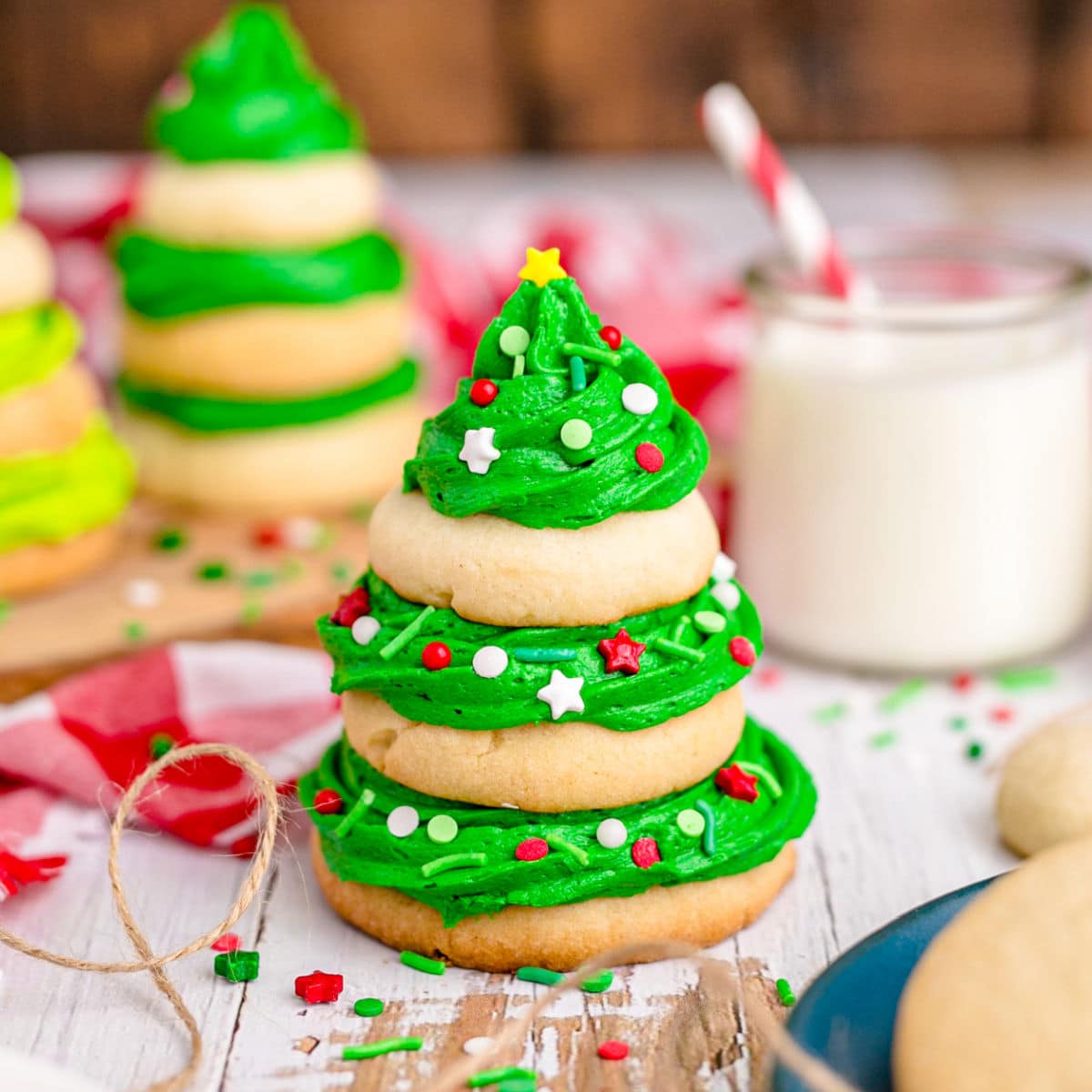
Christmas cookies are more than just sweet treats; they are edible traditions, vessels of nostalgia, and a universal language of gift-giving. Whether you are a seasoned baker or a novice looking to start a new family tradition, understanding the history, variety, and techniques behind these holiday staples can elevate your festive season to new heights.
The Historical Crumbs: Why Do We Bake at Christmas?
The tradition of holiday baking dates back much further than most realize. The roots of the Christmas cookie can be traced to Medieval Europe, specifically to the 16th century. During this time, expensive ingredients like sugar, lard, and spices (cinnamon, nutmeg, and ginger) were beginning to arrive via trade routes. Because these items were so costly, they were reserved for the most important feast of the year: Christmas.
In Germany, the “Lebkuchen” became an early ancestor of the modern gingerbread, while in Scandinavia, thin, spiced wafers became popular. As immigrants moved to the Americas, they brought these recipes with them, leading to the diverse melting pot of holiday treats we see today. The act of leaving cookies for Santa Claus, however, is a relatively modern addition, gaining popularity in the United States during the Great Depression as a way for parents to teach children the importance of being grateful even during hard times.
The Essential Categories of Christmas Cookies
To navigate the world of holiday baking, it helps to categorize these treats by their texture and preparation method. Here are the pillars of the Christmas cookie tray:
1. Cut-Out Sugar Cookies
The quintessential canvas for holiday creativity. These cookies are made from a sturdy dough that holds its shape during baking. Once cooled, they are decorated with royal icing or buttercream. The joy of this cookie lies in the shapes—snowflakes, reindeer, and stars—that allow bakers to turn food into art.
2. Gingerbread
Characterized by the deep, warm flavors of molasses, ginger, and cloves, gingerbread is a structural marvel. While often used to build elaborate houses, gingerbread men remain a fan favorite. Their darker hue and spicy kick provide a perfect counterpoint to the overly sweet sugar cookies on a platter.
3. Shortbread and Butter Cookies
Simplicity is the soul of the shortbread. With a high fat-to-flour ratio, these cookies melt in the mouth. Variations like the Scottish shortbread or the Italian butter cookie often feature a dip in chocolate or a dusting of powdered sugar to enhance their rich, buttery profile.
4. Spritz Cookies
The name “Spritz” comes from the German word spritzen, meaning “to squirt.” These are made by pushing a soft, buttery dough through a cookie press into intricate designs like wreaths or trees. They are light, airy, and visually stunning.
5. Thumbprints and Linzers
These cookies feature a “window” or a “well” filled with fruit preserves or jam. The Linzer, an Austrian classic, consists of two almond-flavored cookies sandwiched together with raspberry jam, creating a beautiful contrast between the pale dough and the ruby-red center.
Secrets to Successful Holiday Baking
Even for experienced bakers, the high volume of Christmas baking can be daunting. To ensure your cookies are professional-grade, keep these technical tips in mind:
Temperature Control: For almost all cookie recipes, your butter and eggs should be at room temperature. This allows the fat and liquid to emulsify properly, resulting in a uniform texture. However, once the dough is made, chilling it is vital. Cold dough prevents the fat from melting too quickly in the oven, ensuring your cookies don’t spread into flat puddles.
Measure by Weight: If you want consistent results, put away the measuring cups and use a kitchen scale. Flour is notoriously difficult to measure by volume; a “cup” can vary by 20% depending on how tightly packed it is. Measuring in grams ensures your cookies are never dry or crumbly.
The Power of Parchment: Never bake directly on a naked cookie sheet. Use parchment paper or silicone mats. This provides even heat distribution and prevents the bottoms of the cookies from browning too quickly.
The Social Aspect: The Cookie Swap
One of the most efficient and enjoyable ways to experience Christmas cookies is the “Cookie Swap” or “Cookie Exchange.” The concept is simple: each guest bakes a large batch of one type of cookie. At the party, everyone trades, meaning you go home with a dozen different varieties while only having to do the work for one.
This tradition fosters community and allows for the sharing of heirloom recipes. It is often at these swaps that “secret” family recipes are finally passed down to the next generation, ensuring that the flavors of the past remain a part of the future.
Conclusion
Christmas cookies represent the heart of holiday hospitality. They are a labor of love that transforms basic pantry staples—flour, sugar, and butter—into memories that last a lifetime. Whether you prefer the spicy snap of a gingersnap or the soft crumble of a frosted sugar cookie, the act of baking and sharing these treats is a testament to the spirit of the season.
As you preheat your oven this December, remember that you aren’t just making dessert; you are continuing a centuries-old tradition of bringing sweetness and light to the darkest days of the year.
Would you like me to provide a foolproof recipe for Royal Icing to help decorate your cut-out cookies, or perhaps a list of the best ways to package cookies for long-distance shipping?