

In the ever-evolving landscape of plant-based cuisine, few ingredients have sparked as much curiosity and culinary creativity as tempeh. While tofu has long been the poster child for meat alternatives, its fermented cousin—tempeh—has quietly taken the throne as the ultimate canvas for savory, smoky flavors. Among its many transformations, Tempeh Bacon stands out as a triumph of texture and taste. It is more than just a substitute; it is a sophisticated, protein-packed ingredient that satisfies the craving for something salty, crunchy, and deeply umami without the need for animal products.
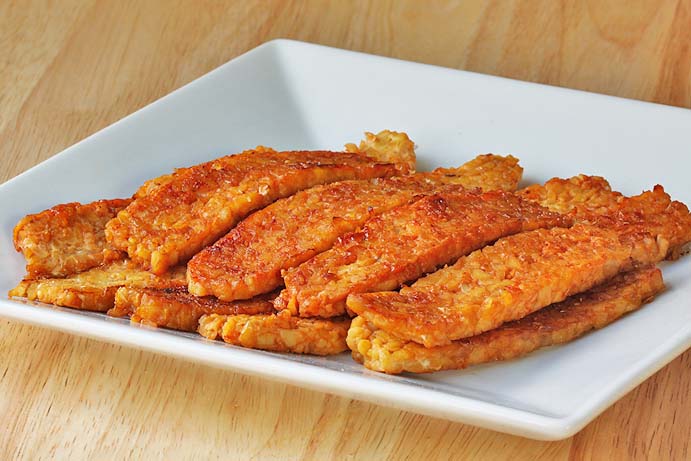
What is Tempeh Bacon and Why is it Trending?
Tempeh is a traditional Indonesian food made from fermented soybeans. Unlike tofu, which is made from soy milk, tempeh uses the whole bean, resulting in a firm, nutty, and slightly earthy profile. When sliced thin and marinated in a blend of smoky, salty, and sweet ingredients, it undergoes a radical transformation.
The rise of Tempeh Bacon is tied to the global shift toward sustainable eating. As consumers become more conscious of health and environmental impacts, they are looking for “clean” meat alternatives. Unlike many highly processed “fake meats” found in grocery stores, Tempeh Bacon is a whole-food, fermented product. It offers a complex nutritional profile while mimicking the savory satisfaction of traditional bacon, making it a favorite for vegans, vegetarians, and meat-reducers alike.
The Nutritional Powerhouse Behind the Crunch
One of the primary reasons food enthusiasts are turning to Tempeh Bacon is its impressive nutritional density. Because it is a fermented product, it provides benefits that traditional bacon simply cannot match.
- High Protein Content: A single serving of tempeh contains significantly more protein than most plant-based alternatives, helping to keep you full and satisfied throughout the morning.
- Probiotic Benefits: The fermentation process involves a natural mold (Rhizopus oligosporus) that breaks down antinutrients in soy, making it easier for the body to digest and absorb minerals.
- Fiber-Rich: Unlike animal-based bacon, which contains zero fiber, tempeh is loaded with it. This aids in digestion and helps regulate blood sugar levels.
- Low in Saturated Fat: While traditional bacon is notorious for high cholesterol and saturated fats, Tempeh Bacon provides heart-healthy fats and zero cholesterol.
The Anatomy of the Perfect Marinade
The secret to great Tempeh Bacon lies not in the bean itself, but in the marinade. To achieve that signature “bacon” flavor, you must balance four key elements: salt, smoke, sweetness, and fat.
The Salty Base: Soy sauce or liquid aminos provide the depth of saltiness required. For a gluten-free version, tamari is the gold standard.
The Smoky Soul: Liquid smoke is the “cheat code” for Tempeh Bacon. Just a few drops evoke the campfire aroma of hickory-smoked meat. Smoked paprika can also be used for a more subtle, earthy heat.
The Sweet Contrast: Maple syrup is the preferred sweetener. It caramelizes beautifully in the pan, creating those crispy, dark edges that define a good strip of bacon.
The Umami Boost: Many professional chefs add a teaspoon of tomato paste, apple cider vinegar, or even nutritional yeast to the marinade to give it a more “meaty” and complex aftertaste.
Step-by-Step: Crafting Tempeh Bacon at Home
Achieving the perfect texture requires a bit of technique. Here is how to handle tempeh like a professional:
1. Steaming (The Secret Step)
Many people find raw tempeh to be slightly bitter. To remove this bitterness and open up the pores of the tempeh to better soak up the marinade, steam the block for 10 minutes before slicing.
2. Slicing for Texture
Use a sharp knife to cut the tempeh into very thin strips. The thinner the slice, the crispier the result. If you prefer a “fleshy” center with crispy edges, aim for about an eighth of an inch in thickness.
3. The Long Soak
Place the slices in a shallow dish and pour your marinade over them. Let them sit for at least 30 minutes. If you are a meal-prepper, leaving them in the fridge overnight will result in a much deeper flavor profile.
4. Pan-Searing vs. Baking
For the most authentic experience, pan-fry the strips in a small amount of neutral oil over medium heat. Fry for about 3 to 4 minutes per side until they are mahogany brown. If you are cooking for a crowd, baking them at 200 degrees Celsius (400 degrees Fahrenheit) for 15 to 20 minutes on a parchment-lined tray is more efficient.
Creative Ways to Use Tempeh Bacon
While it shines next to a pile of scrambled tofu or eggs, Tempeh Bacon is incredibly versatile in the kitchen:
- The Ultimate TLT: Replace the “B” in a BLT with Tempeh Bacon, add avocado and vegan mayo, and you have a sandwich that rivals the original.
- Salad Toppers: Crumble crispy strips over a Caesar salad or a spinach salad for an instant flavor upgrade.
- Pasta Carbonara: Use chopped Tempeh Bacon to add a smoky element to plant-based pasta dishes.
- Loaded Baked Potatoes: Top your potatoes with chives, sour cream, and tempeh crumbles for a hearty side dish.
Conclusion
Tempeh Bacon is a testament to the fact that plant-based eating does not have to be about sacrifice. It is a flavorful, textured, and incredibly healthy alternative that stands on its own merits. By mastering the balance of smoke and salt, and utilizing the natural fermentation of tempeh, anyone can create a gourmet-level snack or breakfast staple that is as kind to the body as it is to the palate. Whether you are a lifelong vegan or a curious foodie, Tempeh Bacon deserves a permanent spot in your culinary repertoire.
Would you like me to provide a specific recipe measurement for the marinade or perhaps a guide on how to make tempeh from scratch at home?