

In the world of seafood, few creatures command as much cultural loyalty and culinary passion as the crawfish. Depending on where you are in the world, you might call them crayfish, mudbugs, crawdads, or freshwater lobsters. Regardless of the name, these small crustaceans represent a unique intersection of biology, history, and communal dining. From the muddy bayous of Louisiana to the bustling night markets of Shanghai, the crawfish has clawed its way into the hearts of food enthusiasts globally.
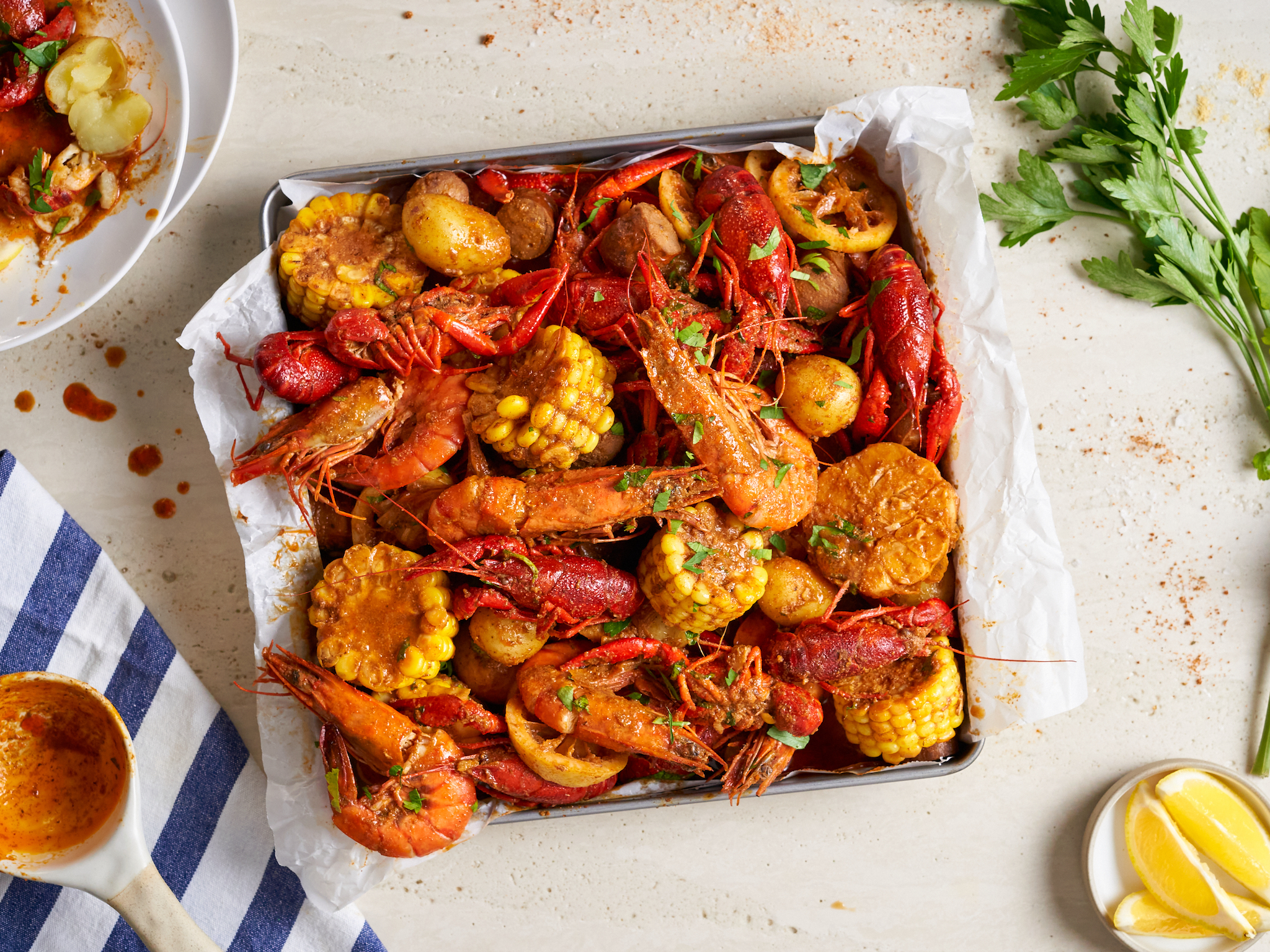
This article explores the fascinating nature of crawfish, their nutritional value, the cultural phenomenon of the “crawfish boil,” and the best practices for enjoying this seasonal delicacy.
Understanding the Biology of the Mudbug
Crawfish are freshwater crustaceans resembling small lobsters, to which they are closely related. There are over 500 species of crawfish found worldwide, but the most famous variety—especially in culinary terms—is the Red Swamp Crawfish.
Unlike their saltwater cousins, crawfish thrive in freshwater environments such as rivers, swamps, and rice paddies. They are bottom-dwellers, playing a crucial role in their ecosystem by consuming detritus and small aquatic organisms. One of the most interesting aspects of their biology is their ability to burrow deep into the mud during dry spells, which is how they earned the affectionate nickname “mudbugs.” This burrowing behavior allows them to survive in fluctuating water levels, making them a resilient and sustainable food source.
The Nutritional Profile: A Healthy Indulgence
While crawfish are often associated with indulgent, spicy feasts, the meat itself is remarkably lean and healthy. If you can look past the butter dipping sauce often served alongside them, you will find a powerhouse of nutrients.
- High-Quality Protein: Crawfish meat is an excellent source of lean protein, essential for muscle repair and metabolic health.
- Low in Fat: A standard serving of crawfish contains very little saturated fat, making it a heart-healthy alternative to red meats.
- Essential Minerals: They are rich in B-vitamins, iron, and selenium. Selenium, in particular, is a potent antioxidant that supports immune function.
- Omega-3 Fatty Acids: While not as high in Omega-3s as fatty fish like salmon, crawfish still provide a beneficial amount of these healthy fats, which promote brain health and reduce inflammation.
The Cultural Phenomenon: The Louisiana Crawfish Boil
You cannot discuss crawfish without mentioning the state of Louisiana. In the Southern United States, a “Crawfish Boil” is not just a meal; it is a social institution. It is a ritual that marks the arrival of spring and the beginning of a season characterized by outdoor gatherings and Cajun music.
The Preparation
A traditional boil involves a massive pot of water seasoned heavily with cayenne pepper, lemon, garlic, bay leaves, and a variety of proprietary spice blends. Before the crawfish are added, “fixings” are tossed into the pot. These typically include small red potatoes, corn on the cob, smoked sausage, and occasionally mushrooms or onions. The vegetables soak up the spicy broth, becoming just as coveted as the seafood itself.
The Presentation
Once cooked to a bright crimson hue, the contents of the pot are drained and dumped directly onto a table covered in newspaper. There are no plates, and silverware is strictly optional. Diners gather around the table, standing shoulder-to-shoulder, peeling and eating in a communal atmosphere that encourages conversation and connection.
Global Popularity: From Sweden to China
While the American South is a major hub, crawfish enjoy immense popularity across the globe.
In Sweden, the “Kräftskiva” or Crayfish Party is a traditional summertime celebration. Swedes typically boil their crawfish with plenty of crown dill and salt, serving them cold. The atmosphere is festive, often involving paper hats, lanterns, and traditional drinking songs.
In China, crawfish (locally known as xiaolongxia) has seen an explosion in popularity over the last two decades. China is now the world’s largest producer and consumer of crawfish. They are often prepared in “Mala” style—a numbing, spicy sauce featuring Sichuan peppercorns and dried chilies. In cities like Shanghai and Beijing, eating crawfish is a late-night social activity, often paired with cold beer.
How to Eat Crawfish Like a Pro
For the beginner, the sight of a whole crawfish can be intimidating. However, mastering the technique is part of the fun. Follow these professional steps to get the most out of every “mudbug”:
- The Twist: Hold the head with one hand and the tail with the other. Give the tail a slight twist and pull it away from the head.
- The Peel: Peel away the first two or three segments of the tail shell. This exposes the succulent meat.
- The Pinch: Pinch the very end of the tail fin while pulling the meat out with your teeth or fingers. If done correctly, the entire vein will slide out with the shell.
- The “Lagniappe”: For the truly adventurous and those seeking the full flavor experience, “suck the head.” This part of the crawfish contains the “fat” (actually the hepatopancreas), which absorbs the most spice and concentrated seafood flavor.
Conclusion
The crawfish is a remarkable example of how a simple, local ingredient can become a global icon of culinary culture. Whether enjoyed at a rustic backyard boil in New Orleans or a sophisticated dil-infused party in Stockholm, crawfish bring people together. They remind us that the best meals are often those that require us to slow down, use our hands, and share an experience with those around us. As a sustainable, nutritious, and deeply flavorful food source, the crawfish truly deserves its status as the crimson king of the freshwater world.
Would you like me to create a list of the best spice blends for a homemade crawfish boil or perhaps a guide on how to purge live crawfish before cooking?