

When people discuss home-baked cookies, chocolate chip, oatmeal raisin, and peanut butter usually dominate the conversation. However, tucked away in the realm of elevated baking lies a classic that deserves far more appreciation: the walnut cookie. Nutty, buttery, and deeply aromatic, walnut cookies offer a sophisticated flavor profile that strikes a delicate balance between subtle sweetness and rich, earthy notes.
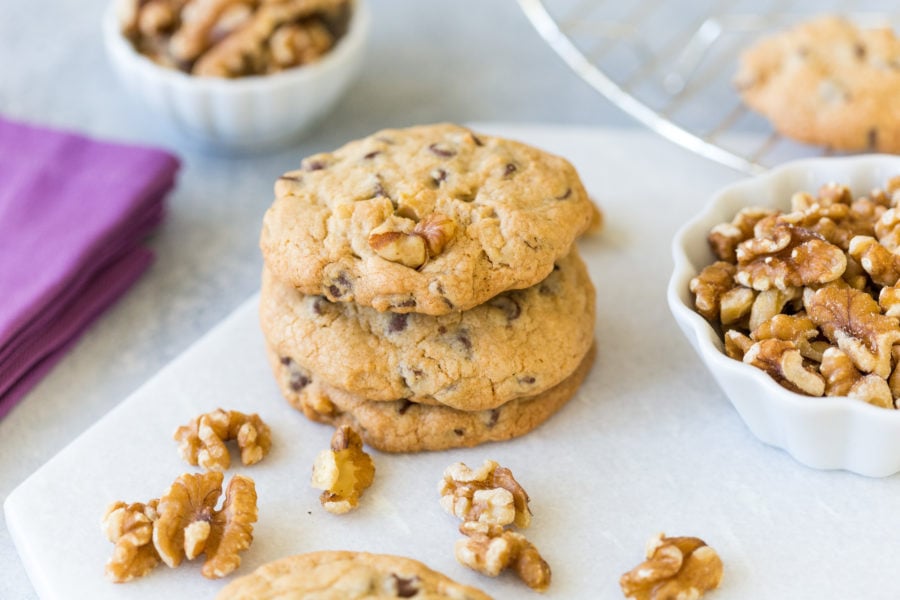
Creating an exceptional walnut cookie goes far beyond simply dropping chopped nuts into a basic cookie dough. It requires an understanding of how walnuts interact with fats, sugars, and temperature during the baking process. Here is an in-depth guide on the mechanics, techniques, and secret steps required to bake the ultimate walnut cookies at home.
1. Unlocking Flavor Through Strategic Toasting
Raw walnuts contain high levels of moisture and natural tannins. When used directly from the bag, they can impart a slightly bitter taste and a rubbery texture to baked goods. Toasting is the single most critical step in unlocking the true potential of the nut.
- The Maillard Reaction: Dry-roasting walnuts in the oven at 350°F (175°C) for eight to ten minutes draws out their natural oils and triggers the Maillard reaction. This process breaks down bitter compounds and creates deep, caramel-like notes.
- Textural Enhancement: Heating removes excess internal moisture, rendering the walnuts exceptionally crisp. This ensures they maintain a pleasing crunch even after absorbing moisture from the surrounding dough.
- Cooling Mandate: Always allow toasted walnuts to cool completely before folding them into your dough. Hot nuts will melt the butter in the batter prematurely, leading to overly flat, greasy cookies.
2. Balancing Fats and Sugars for Optimal Texture
Walnuts are naturally rich in heart-healthy fats, particularly alpha-linolenic acid (an omega-3 fatty acid). Because the nuts themselves contribute significant fat to the final bite, adjusting the liquid fat and sugar ratio in your base dough is essential to achieve a chewy interior and crisp edges.
- Brown Sugar vs. White Sugar: Using a higher ratio of dark brown sugar to granulated white sugar adds moisture and molasses depth. The acidity in brown sugar also reacts with baking soda to create a soft, chewy center that complements the crunchy walnuts.
- The Role of Browned Butter: Replacing standard softened butter with browned butter (butter melted and cooked until the milk solids toast to a golden amber) creates a nutty background note that echoes and amplifies the natural flavor of the walnuts.
- Coarse vs. Fine Nut Powders: For the best textural contrast, divide your toasted walnuts into two portions. Pulse one half in a food processor until finely ground—almost like a coarse flour—and fold it directly into your dry ingredients. Chop the remaining half coarsely to fold in at the end. The ground walnuts infuse every crumb with flavor, while the larger pieces provide crunch.
3. Flavor Pairings That Elevate the Humble Walnut
While a pure walnut butter cookie is delightful on its own, strategic flavor pairings can elevate the recipe from a simple snack to a bakery-worthy treat.
- Dark Chocolate and Sea Salt: The natural bitterness of high-percentage dark chocolate (60% to 70% cacao) cuts through the richness of the walnuts. A sprinkle of flaky sea salt on top right after baking highlights the nutty undertones.
- Warm Botanical Spices: A subtle pinch of ground cinnamon, cardamom, or freshly grated nutmeg enhances the woodsy character of walnuts without overpowering the dough.
- Citrus Zest: Adding a teaspoon of fresh orange zest to the sugar mixture introduces a bright, aromatic contrast that cuts through the heavy fats of the butter and nuts.
4. The Chilling Phase and Master Temperature Control
Patience is a fundamental requirement for great baking. Skipping the chilling phase is the primary reason homemade cookies spread too thin and turn out greasy.
- Resting the Dough: Chill your wrapped cookie dough in the refrigerator for a minimum of four hours, though 24 hours is ideal. This rest period allows the flour to fully hydrate and gives the fats time to solidify.
- Baking Temperature and Timing: Bake your chilled dough portions at 350°F (175°C) on parchment-lined baking sheets. The solid fat slows down spreading, allowing the edges to set and brown while keeping the center soft and thick.
- The Carryover Cooking Effect: Remove the cookies from the oven when the edges are lightly golden, but the centers still look slightly underbaked. Let them rest on the warm baking sheet for five to ten minutes off the heat. The residual warmth finishes cooking the centers gently without drying them out.
Conclusion
Walnut cookies represent a masterclass in flavor harmony and textural contrast. By taking the time to toast the nuts properly, incorporating both ground and chopped textures into the dough, pairing them with complementary ingredients, and chilling the mixture thoroughly, you transform simple baking staples into a refined culinary experience. Whether enjoyed alongside a hot morning coffee or served as an elegant evening dessert, a properly crafted walnut cookie proves that simple ingredients, handled with care and technique, yield truly extraordinary results.