

When people think of American food, the mind instantly wanders toward classic mental images: towering cheeseburgers, deep-fried chicken, and cardboard boxes filled with greasy pizza. For decades, this narrative dominated global perception. However, a quiet revolution has taken place across kitchen counters, food trucks, and high-end establishments from coast to coast. Modern American cuisine is no longer defined by speed or convenience; it has evolved into one of the most dynamic, expressive, and hybridized culinary landscapes in the world.
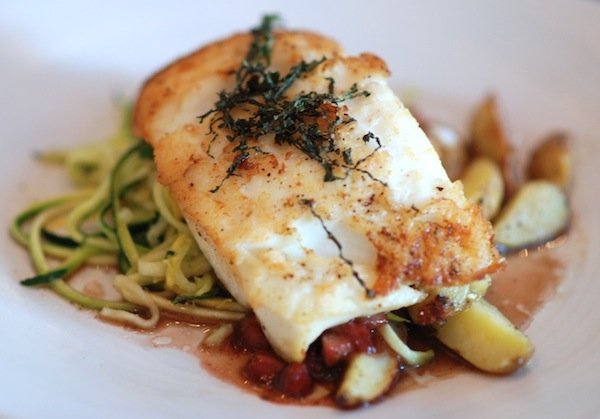
Understanding contemporary American food requires looking beyond the drive-thru window. Today’s food scene is a sophisticated blend of heritage preservation, cross-cultural fusion, hyper-local sourcing, and tech-driven innovation. Here is an in-depth look at how modern American dining reinvented itself and where it is heading next.
1. The Death of the Monolith: Embracing Hyper-Regionality
Historically, American cooking was lumped into broad categories like “Southern Comfort” or “Tex-Mex.” Modern American food, however, celebrates micro-regions. Chefs are stepping away from generic national recipes to honor the highly specific ecosystems and cultural pockets of their immediate surroundings.
- The New Appalachian Revival: In regions like Tennessee and the Carolinas, cooks are resurrecting forgotten preservation techniques—such as salt-curing, pickling, and lard-rendering—using native heirloom ingredients like red maypop, flint corn, and wild ramps.
- Pacific Northwest Terroir: Oregon and Washington have defined a style centered almost entirely around wild foraging. Dishes highlight pine needles, wild chanterelles, geoduck, and cedar-roasted berries paired with local cold-climate wines.
- The Gulf Coast Matrix: Beyond traditional Cajun cooking, modern coastal chefs are blending Vietnamese influences with historic Creole roots, resulting in bold creations like Viet-Cajun garlic butter crawfish.
Rather than trying to create a single national identity, modern American chefs embrace the fact that the country is vast, diverse, and best served locally.
2. Third-Culture Fusion: Authenticity Reimagined
The old American concept of the “melting pot” often meant forcing immigrant cuisines to adapt to a bland, Westernized palate. Modern American food rejects this approach. Instead, it is led by second- and third-generation immigrant chefs who seamlessly weave their ancestral heritage with the American comfort foods they grew up eating.
This is not the forced “fusion” of the 1990s; it is authentic personal storytelling on a plate.
- Korean-Mexican Intersection: Popularized initially by food trucks in Los Angeles, combinations like bulgogi tacos, kimchi quesadillas, and gochujang-glazed wings are now staples of everyday casual dining.
- Filipino-American Comfort: Classic American diner foods are being transformed with Filipino flavors—think ube-infused waffles, longganisa smash burgers, and calamansi-glazed donuts.
- Jewish-Appalachian Blends: Combining smoked brisket techniques with traditional deli pastrami has created a whole new category of artisanal barbecue.
These dishes do not attempt to strip away authentic spice or flavor profiles. Instead, they elevate traditional roots while remaining distinctly American in spirit.
3. The Vegetable-Forward Revolution
Meat has long been the hero of the traditional American plate. However, modern dining has shifted vegetables from a sad, boiled side dish to the main attraction. Driven by environmental consciousness, health trends, and culinary creativity, the modern American table gives plant-based ingredients the royal treatment.
- Technique-Driven Preparation: Instead of simply steaming vegetables, chefs use techniques historically reserved for meat—such as dry-aging beetroot, smoking whole heads of cauliflower over oak wood, or charring cabbage over open flames.
- Upcycled Ingredients: Modern sustainability efforts focus on minimizing food waste. Broccoli stems are shaved into fresh slaws, carrot tops are blended into aromatic pestos, and spent grain from local breweries is turned into artisanal bread dough.
This shift does not mean American food is becoming entirely vegan; rather, it reflects a balanced approach where produce receives equal respect and craftsmanship as high-grade cuts of meat.
4. The Craft Movement: From Fast to Slow
While speed used to be the hallmark of American eating habits, modern food culture places immense value on patience. The rise of the “slow food” movement has turned basic staples into artisanal crafts.
- Sourdough and Ancient Grains: Bakeries across the nation have abandoned processed white flour in favor of freshly milled, locally sourced ancient grains like einkorn, spelt, and emmer.
- Craft Fermentation: Fermentation is no longer just for pickles. Modern American kitchens regularly experiment with house-made kombuchas, hot sauces, black garlic, and custom misos made from native beans rather than soybeans.
- Artisanal Meat Curing: Charcuterie boards featuring house-cured salumis, bresaola, and lardons have become ubiquitous in neighborhood bistros across the country.
Conclusion
Modern American cuisine can no longer be accurately summarized as fast food or junk food. It is a living, breathing canvas shaped by cultural diversity, regional pride, respect for the environment, and continuous innovation. By taking the best elements of its rich immigrant history and combining them with cutting-edge techniques and sustainable practices, America has crafted a culinary identity that is complex, surprising, and undeniably delicious. As the boundaries of flavor continue to expand, one thing remains clear: the future of American dining is brighter—and far more flavorful—than ever before.