

After a long day of trekking through rugged terrain, carrying a heavy pack, and pushing your physical limits, nothing restores the spirit quite like a warm, satisfying meal. However, many backpackers settle for pre-packaged, sodium-heavy freeze-dried meals that leave much to be desired in terms of taste, price, and nutritional balance. Cooking quality dinners in the wild does not require culinary expertise or a mountain of heavy equipment. With a bit of thoughtful planning, light ingredients, and basic camp kitchen techniques, you can elevate your trail dining experience while keeping your pack light.
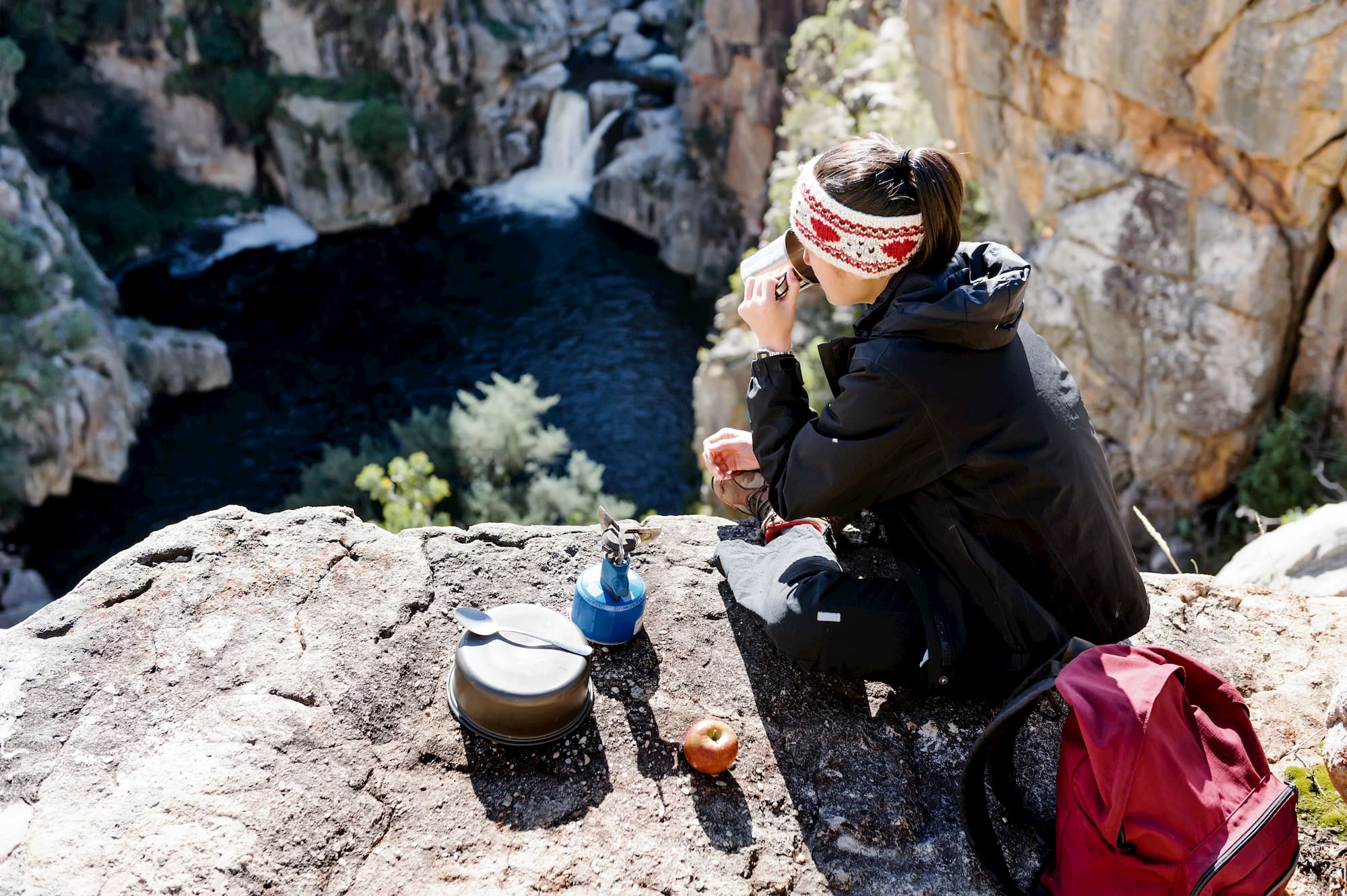
Here is a comprehensive guide to easy, nutrient-dense, and delicious backpacking dinner recipes that require minimal prep time, low fuel consumption, and simple cleanup.
1. Dehydrated Coconut Chickpea Curry
Curry is a powerhouse choice for the backcountry because dried spices weigh almost nothing, yet they deliver incredible flavor and warming comfort on cold trail nights. This dish balances complex carbohydrates, plant-based protein, and healthy fats.
- Key Ingredients: Instant rice, dehydrated cooked chickpeas, coconut milk powder, dried spinach or kale flakes, and a pre-mixed spice blend (curry powder, garlic powder, salt, and a pinch of chili flakes).
- Preparation Method: Combine all dry ingredients into a single sealable freezer bag before heading out. At camp, bring approximately one and a half cups of water to a boil in your lightweight pot. Stir in the dry mix, cover the pot, and remove it from the heat source.
- The Trail Advantage: Let the pot sit inside an insulated cozy or a wool hat for eight to ten minutes. The coconut powder reconstitutes into a rich, creamy sauce without needing heavy canned milk, giving you sustained energy for the next morning.
2. Savory Ramen Upgrade with Peanut Sesame Sauce
Standard store-bought ramen is a classic backpacking staple due to its low cost and quick cooking time. However, by discarding the artificial flavor packet and crafting your own nutrient-dense sauce base, you transform a basic snack into a calorie-dense, recovery meal.
- The Sauce Base: Pack a small pouch with a combination of powdered peanut butter (or real peanut butter packets), soy sauce packets, a dash of sesame oil, and a pinch of ground ginger and crushed red pepper.
- The Bulk: Bring along dehydrated vegetables (carrots, peas, and mushrooms) and a shelf-stable protein such as vacuum-sealed chicken breast, textured vegetable protein (TVP), or jerky bits.
- Cooking Process: Boil water, add your choice of protein and dehydrated vegetables, and let them rehydrate for three minutes. Add the ramen noodles and cook for two minutes. Drain most of the excess water, stir in your peanut sauce mixture, and toss until evenly coated.
This meal provides high calories, healthy fats, and essential sodium lost through sweat, making it an ideal recovery dinner after high-elevation hikes.
3. High-Protein Couscous and Smoked Salmon Bowl
Couscous is arguably the ultimate backcountry grain because it does not require active boiling. It steeps rapidly in hot water, saving valuable stove fuel on longer trips.
- Key Ingredients: Quick-cooking whole wheat couscous, a packet of wild-caught smoked salmon or tuna, sun-dried tomatoes (packed dry, not in oil), dried oregano, garlic powder, and a single-serve packet of extra virgin olive oil.
- Preparation Method: Place the couscous, sun-dried tomatoes, and seasonings into your pot. Pour in boiling water at a one-to-one ratio with the couscous, cover tightly, and wait five minutes.
- Finishing Touches: Fluff the couscous with a fork, mix in the healthy extra virgin olive oil for added caloric density, and top with the smoked salmon.
The combination of omega-3 fatty acids from the salmon and complex carbohydrates from the whole wheat couscous helps reduce muscle inflammation and restores energy stores efficiently.
4. One-Pot Backcountry Chili Mac
Chili Mac combines the heartiness of a traditional trail chili with the comfort of cheesy pasta. It is exceptionally filling, easy to scale up for groups, and uses readily available grocery store ingredients.
- Base Components: Quick-cook macaroni or small shell pasta, dehydrated black or kidney beans, tomato paste powder or instant tomato soup mix, dried onion flakes, chili powder, and cumin.
- The Cheese Layer: Shelf-stable powdered cheddar cheese sauce mix or heavy cream powder combined with nutritional yeast for a savory, cheesy finish.
- Execution: Boil the pasta, dehydrated beans, dried onions, and spices together in two cups of water for about six minutes until the pasta is al dente and the beans are soft. Stir in the tomato powder and cheese powder until a thick, rich sauce coats the pasta.
This dish delivers maximum comfort and nostalgia, making it a crowd favorite for chilly evenings at high-altitude campsites.
Conclusion
Eating well on the trail does not mean sacrificing pack weight or spending hours cooking over a tiny camp stove. By relying on lightweight bases like couscous, instant rice, and ramen, paired with dehydrated proteins, healthy fats, and vibrant spice blends, you can create satisfying dinners that nourish your body for the miles ahead. Planning your trail meals in advance using these simple recipes allows you to spend less time washing dishes in the dark and more time relaxing around the campsite, enjoying the tranquility of the great outdoors.