

For generations, meatloaf has earned a permanent place at the American dinner table as a cherished comfort food classic. Yet, despite its popularity, many home cooks struggle with a dish that turns out either dense and dry like a brick, or so loose that it crumbles into a structural mess the moment a knife touches it. Crafting a truly exceptional meatloaf is less about following a rigid, outdated formula and more about understanding the culinary mechanics of moisture retention, protein blending, and flavor balancing.
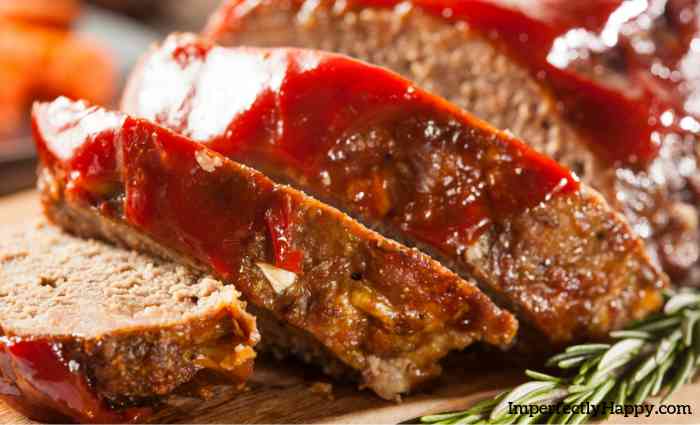
Making a memorable meatloaf requires a modern approach to a vintage staple. Here is an in-depth, step-by-step masterclass on how to build a moist, flavorful, and structurally sound meatloaf every single time.
1. The Foundation: Selecting the Ultimate Meat Blend
The primary cause of dry or tough meatloaf is using lean ground meat alone. Fat provides moisture, tenderness, and richness, while leaner meats give structure and deep, savory flavor. The key to success lies in a balanced ratio of proteins.
- The Custom Blend: Rather than relying exclusively on ground beef, use a three-part combination known as the classic “pâté blend”: two parts ground beef (80/20 lean-to-fat ratio), one part ground pork, and one part ground veal or pork sausage.
- Why It Works: Ground beef brings robust flavor, ground pork adds essential fats and moisture, and veal provides natural collagen, which melts during baking to give the loaf a silky texture without feeling greasy.
- The Golden Ratio: Aim for roughly 80 percent total lean protein and 20 percent fat across your entire blend to ensure the meatloaf stays juicy without swimming in excess grease.
2. Building Structure and Moisture: The Panade Technique
A common misconception is that breadcrumbs are merely a cheap filler used to stretch ground meat. In reality, breadcrumbs serve a critical technical purpose: they prevent the protein fibers from tightly bonding together into a rubbery mass during cooking. However, dry breadcrumbs alone can pull moisture away from the meat.
- Soak the Binder: Before adding breadcrumbs to the meat, create a “panade” by soaking fresh white breadcrumbs or panko in milk, heavy cream, or beef broth for ten minutes until a paste forms.
- Add Egg as a Stabilizer: Whisk beaten eggs into the soaked panade mixture along with a splash of Worcestershire sauce or tomato paste. The proteins in the egg bind the loaf gently while it bakes, preserving structural integrity without turning the loaf tough.
- Incorporate Sauteed Aromatics: Never add raw chopped onions, celery, or carrots directly into the meat. Raw vegetables release excess water during baking, causing the loaf to fall apart. Instead, saute your finely diced aromatics in butter or olive oil until softened and translucent, then allow them to cool completely before mixing.
3. The Gentle Mix and Free-Form Shaping
How you handle the ingredients inside the bowl directly impacts the final texture of the dish. Overworking ground meat causes the proteins to cross-link heavily, resulting in a dense, tough texture similar to low-quality sausage.
- Gentle Hands Only: Combine the meat blend, panade, aromatics, and fresh herbs in a large bowl. Use your hands or a rubber spatula to gently fold the ingredients together until just uniform. Do not knead, mash, or press the mixture firmly.
- Ditch the Loaf Pan: While it is called “meatloaf,” baking the meat inside a traditional metal loaf pan traps the rendering fat and steams the meat instead of roasting it. This results in a soggy bottom and boiled texture.
- Form on a Sheet Pan: Line a large rimmed baking sheet with aluminum foil or parchment paper. Shape the meat mixture into an oval, loaf-like mound directly on the baking sheet. This allows heat to circulate evenly around the entire exterior, developing a rich, caramelized crust on all sides.
4. Crafting the Tangy Glaze and Master Temperature Control
A great meatloaf is incomplete without a shiny, savory-sweet glaze that caramelizes under the oven’s heat, forming an appetizing crust.
- The Classic Glaze Formula: Combine ketchup, dark brown sugar, apple cider vinegar, a dash of Dijon mustard, and a hint of smoked paprika. The acidity cuts through the richness of the meat, while the sugars caramelize into a shiny coating.
- Two-Stage Glazing Process: Brush half of the glaze onto the loaf before it enters a preheated oven set at 350°F (175°C). Bake for roughly 45 minutes, then brush the remaining glaze over the top and return it to the oven for another 15 to 20 minutes.
- Internal Temperature Target: Use a digital meat thermometer inserted into the center of the loaf. Remove the meatloaf from the oven when it reaches an internal temperature of 160°F (71°C).
- The Crucial Rest Period: Resist the urge to slice the meatloaf immediately. Let it rest on the counter for at least 15 minutes. Resting allows the internal juices to redistribute evenly and gives the melted collagen time to set, ensuring perfect, clean slices that stay intact on the plate.
Conclusion
Making an exceptional meatloaf requires moving past basic home-cooking habits and embracing simple culinary science. By choosing a balanced blend of ground meats, using a properly hydrated panade, handling the mixture gently, and baking the loaf free-form on a open sheet, you can elevate this everyday comfort food into a memorable meal. The result is a meatloaf that is deeply savory, perfectly moist, and structured enough to slice with ease—proof that even the most traditional dishes can be transformed with a thoughtful approach to execution.